
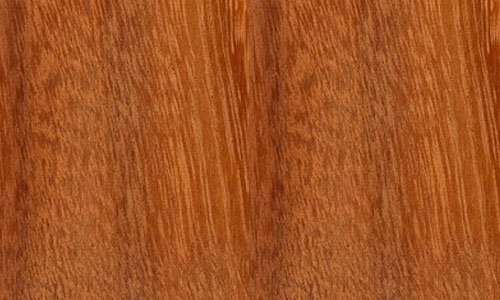
তালি (Tali), আফ্রিকার অন্যতম শক্তিশালী ও টেকসই কাঠ হিসেবে পরিচিত। এর বৈজ্ঞানিক নাম Erythrophleum suaveolens। তালি কাঠ মূলত মধ্য ও পশ্চিম আফ্রিকায় পাওয়া যায় এবং ভারী কাঠের নির্মাণ, রেলওয়ে স্লিপার, ব্রিজ, ডেকিং, ফ্লোরিং ইত্যাদিতে ব্যবহৃত হয়।
এই কাঠের রং সাধারণত গাঢ় বাদামী থেকে লালচে বাদামী এবং এতে প্রাকৃতিক তেল থাকার কারণে এটি ফাঙ্গাস ও টার্মাইট প্রতিরোধে সক্ষম। এর ঘনত্ব ও শক্তির কারণে এটি বহিরাঙ্গন কাঠামো এবং ভারী দায়িত্বপূর্ণ নির্মাণকাজে একটি নির্ভরযোগ্য কাঠ হিসেবে বিবেচিত।
| বিষয় | বিস্তারিত |
|---|---|
| স্থানীয় নাম (Local name) | তালি / Sal (Tali / Sal) |
| বৈজ্ঞানিক নাম (Scientific name) | Shorea robusta |
| আদি নিবাস (Original Residence) | দক্ষিণ এশিয়া — ভারত, বাংলাদেশ, নেপাল, ভুটান, মায়ানমার |
| বাংলাদেশে চাষ / ব্যবহার (Cultivation / use in Bangladesh) | সিলেট, চট্টগ্রাম ও ময়মনসিংহ অঞ্চলে পাওয়া যায়; ভারী কাঠের কাঠামো, আসবাবপত্র, দরজা-জানালা, সেতু ও বোট নির্মাণে ব্যবহৃত |
| রং (Color) | গাঢ় বাদামী থেকে লালচে বাদামী; কেন্দ্রীয় কাঠ কিছুটা গাঢ় |
| টেক্সচার (Texture) | মাঝারি থেকে ফাইন গ্রেইন, সোজা বা হালকা ঢেউযুক্ত; খুব শক্ত ও টেকসই |
| ঘনত্ব (Density) | প্রায় 720–880 kg/m³ (air dry) |
| Janka Hardness | ~ 1,200 – 1,300 lbf (~ 5,340 – 5,780 N) |
| Radial Shrinkage | ~ 2.5 – 3.0 % |
| Tangential Shrinkage | ~ 5.0 – 5.5 % |
| Crushing Strength | ~ 55 – 65 MPa (Parallel to grain) |
| ওজন (Weight) | মাঝারি থেকে ভারী কাঠ |
| শক্তি (Power) | খুব শক্ত, টেকসই ও স্থিতিশীল কাঠ |
| ইলাস্টিসিটি (Elasticity) | ভালো নমনীয়তা, কাঠ খুব শক্ত হলেও কিছুটা নমনীয় |
| আর্দ্রতা সহনশীলতা (Moisture tolerance) | অত্যন্ত ভালো; প্রাকৃতিকভাবে আর্দ্রতা ও পচন প্রতিরোধী |
| পোকা প্রতিরোধ ক্ষমতা (Insect resistance) | উচ্চ; প্রাকৃতিকভাবে টার্মাইট ও অন্যান্য পোকা প্রতিরোধী |
| উপযোগিতা (Usefulness) | ভারী আসবাবপত্র, দরজা-জানালা, সেতু, বোট, কাঠামোগত নির্মাণ, ফ্লোরিং |
| বাণিজ্যিক বয়স (Harvesting age) | ৫০–৬০ বছর |
| বাজার দর (Price range) | প্রতি CFT প্রায় ২,৯০০ – ৫,৫০০ টাকা (গুণমান ও আকার অনুসারে) |
আপনার নির্দিষ্ট সাইজের কাঠ/টিম্বার এর পরিমাপ ও মূল্য জানতে আমাদের ডান পাশে থাকা Instant wood Price বাটন এ ক্লিক করুণ